
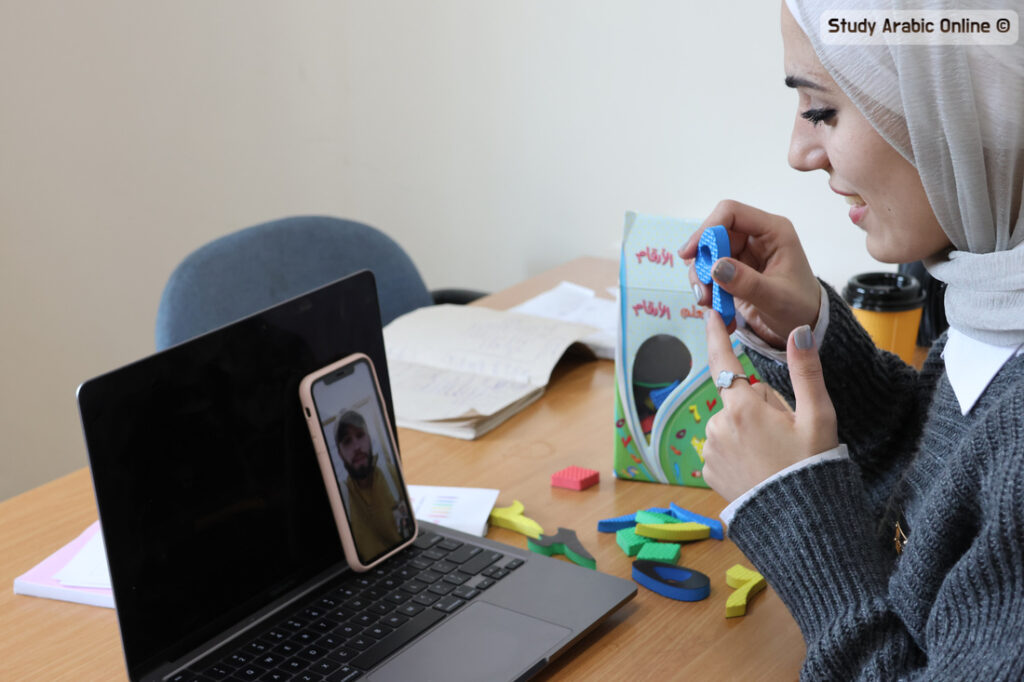
Intermediate Online Shami (Ammiyya) Arabic Lessons: You can greet people, order food, and talk about your day, yet conversations still slip away when native speakers speed up or change the subject. That gap between knowing the basics and speaking with ease is exactly what the intermediate stage is designed to close.
At the Excellence Center in Syria, intermediate learners study Shami Arabic, also called Ammiyya, in private online lessons with a certified native tutor. Each session pushes you into longer conversations, richer vocabulary, and the everyday expressions that make your Arabic sound natural instead of memorized.
Below, you will find how our intermediate lessons work, what they cover, how they connect with Palestinian, Jordanian, Syrian, and Lebanese Arabic, and how to book a free trial lesson.
Book a Free Shami Arabic Trial Lesson Online
Start your Shami Arabic journey with a free online trial lesson. You will meet your certified tutor, talk about what you want to achieve, and experience a real one-to-one lesson. There is no payment and no commitment, just a simple first step toward speaking everyday Arabic.

Table of Contents
Who Should Take Intermediate Lessons?
Intermediate lessons are a strong fit for:
- Learners who finished a beginner course and want to keep going
- Students of Modern Standard Arabic who want to speak the dialect
- Heritage speakers who understand a lot but still answer in English
- Expats living in the Levant
- Partners and family members of Levantine speakers
- Professionals, researchers, and NGO staff working in the region
- Learners returning to Arabic after a long break
If you are unsure whether you are ready for this level, your trial lesson includes a quick level check. If it shows that you need a bit more foundation first, our beginner Levantine Arabic lessons will get you there quickly.
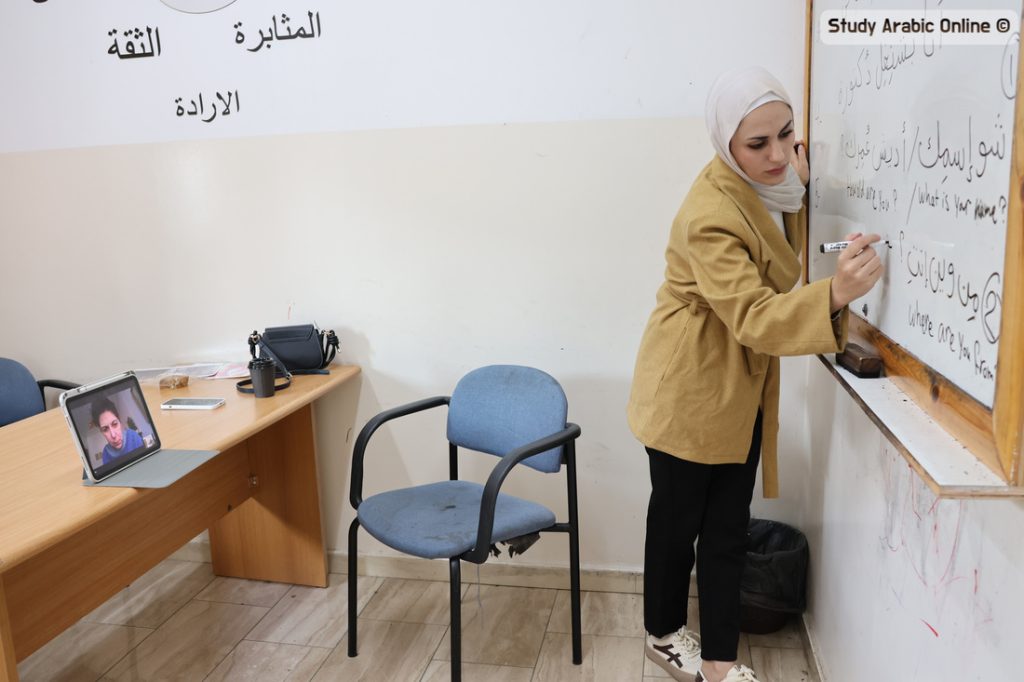
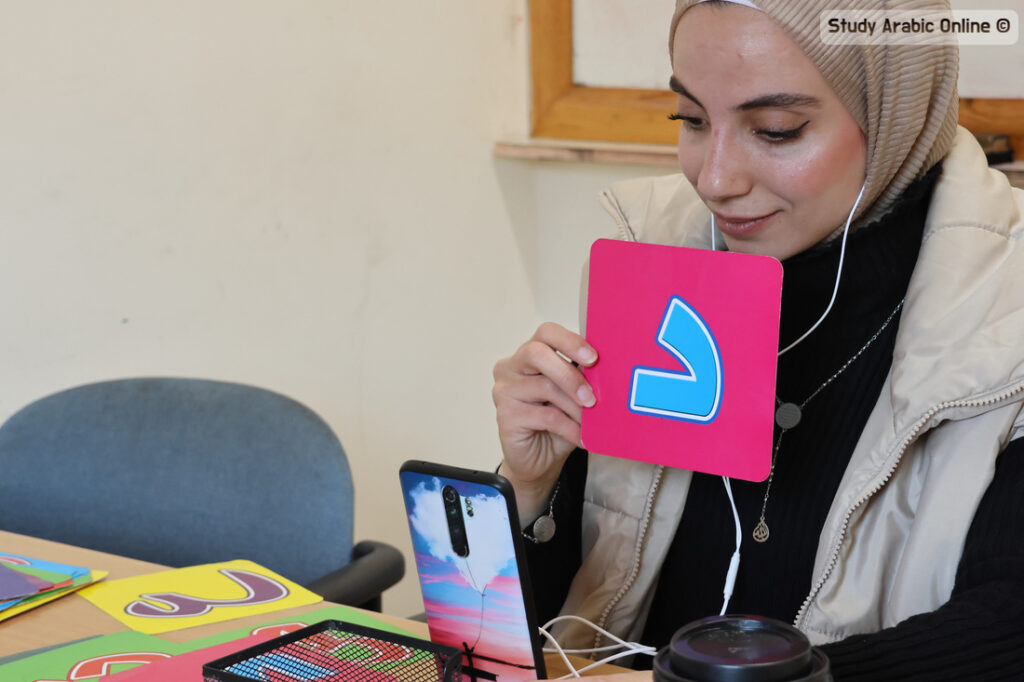
What Does Intermediate Ammiyya Arabic Mean?
Ammiyya is the word Arabic speakers use for their everyday spoken language. In the Levant, that means Shami Arabic, the colloquial Arabic used in Palestine, Jordan, Syria, and Lebanon.
At the intermediate level, you already know basic vocabulary, common phrases, and simple sentence patterns. Now the focus shifts toward fluency: speaking in full paragraphs, following conversations between native speakers, and reacting naturally instead of translating in your head.
You can continue with general Levantine Arabic or concentrate on one variety. Since the four share most of their grammar and core vocabulary, everything you practice stays useful across the whole region.
Intermediate Lesson Options
You can shape your intermediate program around the skill or situation you care about most.
Conversation-Focused Lessons
Most of the session is open discussion: describing experiences, telling stories, comparing options, and giving your opinion. Your tutor steers the conversation toward new structures and words as it unfolds.
Listening and Comprehension Practice
Using short clips, interviews, and dialogues, you train your ear to follow Shami at native speed, including connected speech and casual expressions.
Grammar in Context
Verb forms, tenses, conditional sentences, and linking words are introduced through examples you will actually use, never as drills for their own sake.
Arabic for Work and Volunteering
If you use Arabic in your job or in community projects, lessons can cover meetings, phone calls, workplace small talk, and the vocabulary of your field.
Reading and Writing Support
For learners who want them, reading and writing in Arabic script can be added to support your spoken progress.
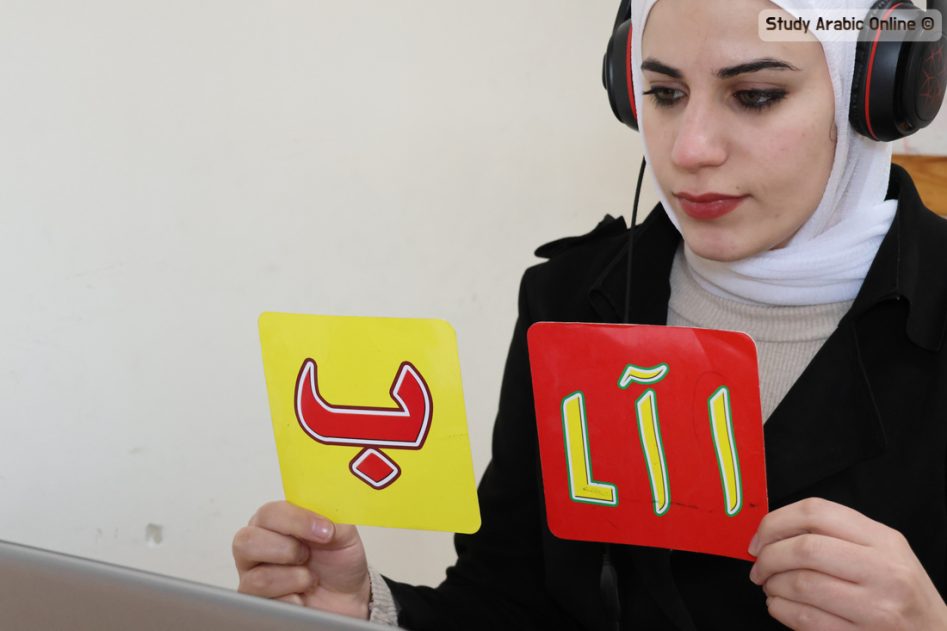
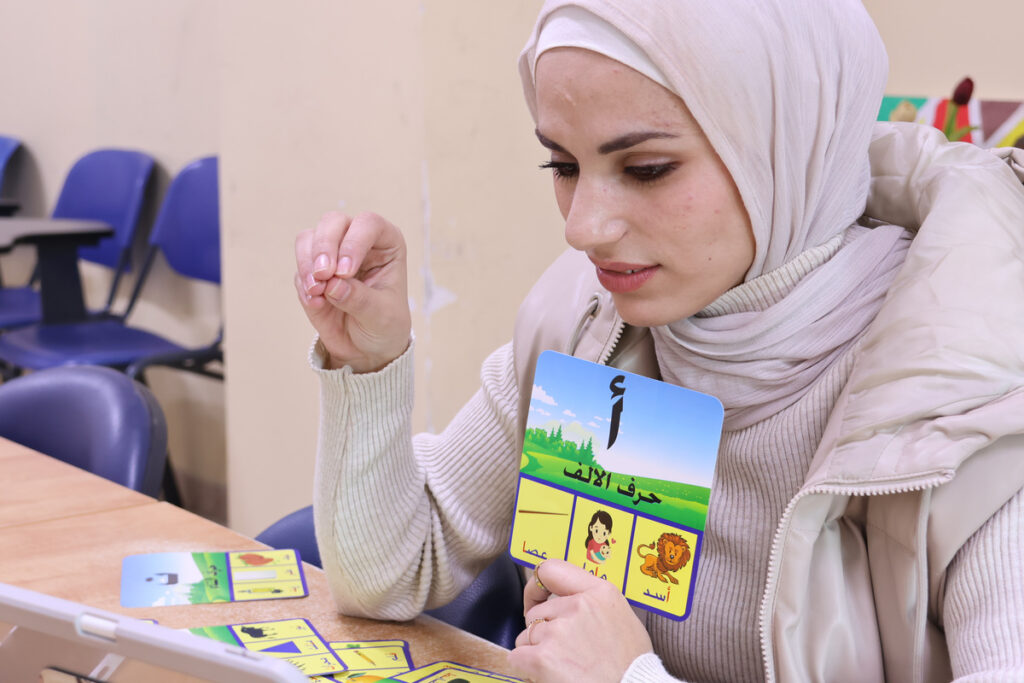
Why Choose Private Lessons at the Intermediate Level?
The intermediate stage is where group classes tend to hold learners back. In a room of ten students, you might speak for only a few minutes per session, and much of the class goes to points you already understand. Progress slows, and many learners lose motivation along the way.
In a private lesson, the balance flips. You do most of the talking, and your tutor uses that time to push you into longer answers, introduce the expressions you are missing, and correct the habits that keep your Arabic sounding hesitant.
Studying online keeps that rhythm going through busy weeks, travel, and even a move abroad, because your tutor and your lessons come with you wherever you have a connection.
Common reasons learners continue to the intermediate stage:
- Living in the Levant and wanting to handle daily life in Arabic
- Holding real conversations with a partner’s family
- Preparing for work, research, or volunteering in the region
- Following Levantine TV, podcasts, and social media
- Laying the groundwork for advanced study
Intermediate Shami Arabic Online: Course Overview
| Feature | Details |
|---|---|
| Course | Intermediate Online Shami (Ammiyya) Arabic Lessons |
| Dialect | Levantine Arabic (Palestinian, Jordanian, Syrian, Lebanese) |
| Level | Intermediate |
| Prior knowledge | Basic Levantine Arabic |
| Lesson format | Private one-to-one |
| Lesson length | 45 minutes |
| Course length | 10 to 100 hours, chosen by the student |
| Hours per week | 2 to 20, flexible |
| Participants | 12 to 75 years old |
| Online platforms | Zoom, Skype, WhatsApp, and others |
| Days of the week | Saturday to Friday |
| Class times | Flexible, in any time zone |
| Learning materials | |
| University credit | Available |
| Trial lesson | Free |
| Fees | See our fees and payment options |
Choose the Right Levantine Arabic Course for You
Whether you want to stay broad or go deep into one variety, here is a short guide to the programs you can choose from:
1. Palestinian Arabic Online Course
Palestinian Online Course: The Palestinian dialect, a colloquial form of Arabic known as Ammiya, belongs to the Southern Levantine dialect group and is widely spoken across Palestine. Notably, this dialect closely resembles Modern Standard Arabic, or Fusha, making it a practical choice for learners seeking to improve conversational skills and formal Arabic comprehension.
Because the Palestinian dialect preserves many aspects of classical Arabic pronunciation, with only minor adjustments, it can serve as an entrance point for understanding Fusha. Thus, mastering this dialect not only enables effective communication in Palestine but also strengthens your proficiency in Standard Arabic.
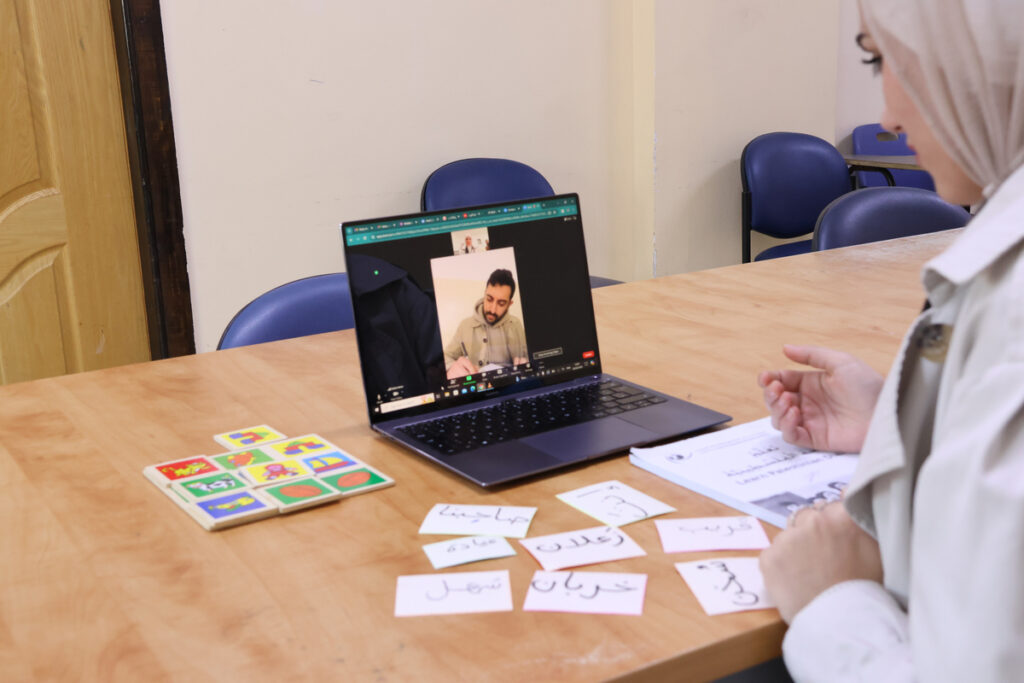
2. Studying Levantine Arabic Online
Studying Levantine Arabic Online: Levantine Arabic, also known as Shami Arabic or the Ammiyya dialect, is a fantastic option for those who want to learn this widely spoken and increasingly important dialect from the comfort of their home. Spoken by approximately 42 million people across Jordan, Palestine, Lebanon, and Syria, Levantine Arabic is a cornerstone of the Levant region. People across the broader Middle East and North Africa (MENA) region can easily understand it.
This dialect bridges linguistic gaps, enabling communication with people in countries like Egypt, Morocco, Tunisia, and the Gulf states. Studying Levantine Arabic online lets you immerse yourself in the language, practice with other learners, and build the skills needed to connect with diverse communities across the Arab world.
3. Jordanian Arabic Online Course
Jordanian Online Course: The Excellence Center in Syria offers a range of Jordanian Arabic online programs tailored to help non-Arabic-speaking expatriates integrate. Our courses emphasize practical conversation, focusing on vocabulary relevant to daily situations. Jordanian Arabic, also known as Jordanian Colloquial Arabic (Ammiya Jordanian Arabic) or simply Jordanian, is a variant of Arabic spoken in Jordan. It falls under Levantine Arabic (Shami Arabic), a group of Arabic dialects spoken in the Levant, including Jordan, Lebanon, Syria, and Palestine.
Unlike Modern Standard Arabic, which is used in formal settings and written communication, Jordanian Arabic is the spoken language of everyday conversation. It reflects the local culture and incorporates colloquial expressions specific to Jordan. Proficiency in Jordanian Arabic is especially advantageous for expatriates or anyone seeking to communicate effectively with the local Jordanian community.
4. Study Egyptian Arabic Online
Study Egyptian Arabic Online: The Excellence Center in Syria offers a comprehensive range of intensive and non-intensive Egyptian colloquial online Arabic courses. Beginning with the Starter Course and working through to the Advanced. The Excellence Center in Syria’s online Arabic lessons are as diverse and far-reaching as Arabic culture itself.
Covering all aspects of language learning, our Egyptian online Arabic programs focus on phonetics, conversation, writing, reading, and listening comprehension, as well as common idioms, daily tasks, and discussions suited to your course level. This ensures you build a broad understanding of Arabic.
5. Study Lebanese Arabic Online Course
Lebanese Online Course: The Excellence Center in Syria offers live, interactive group courses and private lessons in Lebanese Arabic year-round (spring, summer, fall, and winter). Our experienced teachers work with learners of all ages to improve their Arabic proficiency, especially Lebanese Arabic. Our group courses follow an organized curriculum called Lebanese Arabic from Scratch, designed for learners of all abilities.
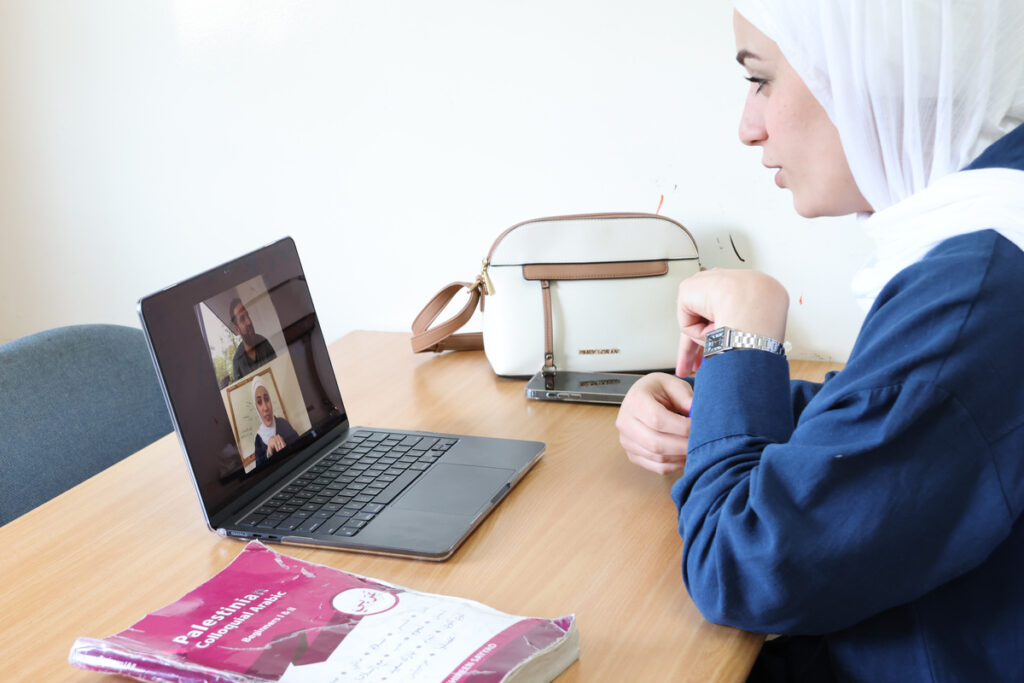

Whether you are just beginning your Arabic journey or are already an advanced learner, one of our courses will be the right fit for you, with multiple difficulty levels. Lebanese Arabic, also known as Ammiyya dialect, is a variety of Levantine Arabic (Shami Arabic) native to Lebanon. Because of significant influences from other Middle Eastern and European languages, it differs from other Arabic dialects.
6. Syrian Arabic Online Program
Syrian Online Course: The Study Syrian Arabic Online Program is a valuable opportunity for those who want to learn and study the increasingly relevant and critical dialect (also known as Ammiya, Shami, or Levantine Colloquial Arabic) and practice with other students. Shami Arabic is spoken by nearly 42 million people in four Arab countries: Jordan, Palestine, Lebanon, and Syria.
Syrian Arabic (Levantine dialect) is the most easily understandable dialect for people in the MENA region (including countries of the Gulf and Arab countries in the northernmost areas of the African continent, such as Morocco, Tunisia, Algeria, Egypt, and Libya) and is the dialect most similar to Modern Standard Arabic. Its wide comprehensibility allows speakers of this dialect to communicate with a broad audience of Arabic speakers. Thus, learning the Shami dialect is a gateway to connecting with people across a wide, culturally diverse region.
7. Study Modern Standard Arabic Online
Study Modern Standard Arabic Online is a great opportunity to learn a form of Arabic that is understood by people in twenty-two countries throughout the Arabic-speaking world. By taking this online course, you will learn the form of Arabic that is most often used in literary texts, in the press, in education, and in official transactions. This form of Arabic is also a direct descendant of classical Arabic found in the Quran and other historical texts.
Studying Modern Standard Arabic Online provides students at every level with a comprehensive study of Arabic’s beautiful and poetic features. They will learn all about its formulaic sentence structure, expressive vocabulary, and artistic script. Modern Standard Arabic (MSA) was first developed in the 19th and 20th centuries to help Arabic publications reach a wider audience without navigating the complexities of various dialects. Since its initial development, MSA has quickly become the contemporary standard for literary, legal, and academic publications and is widely used internationally.
8. Online Arabic for Kids and Teens
Online Arabic for Kids: The Excellence Center in Syria offers online Arabic courses for children and young people aged 10 to 17. Perfect for anyone eager to learn about the Arabic language and culture, these elementary classes differ from adult learning in content as well as teaching method; e.g., image recognition and game play a huge role, as well as the ability to access children’s Arabic digital media, including TV shows, books, and articles on a wide range of subjects.
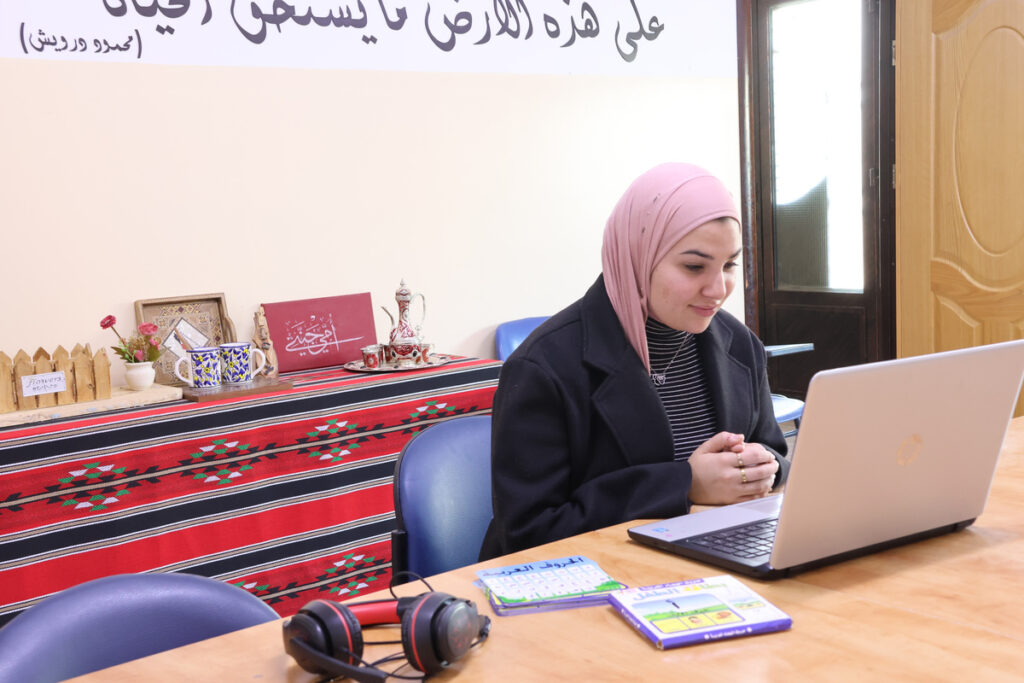
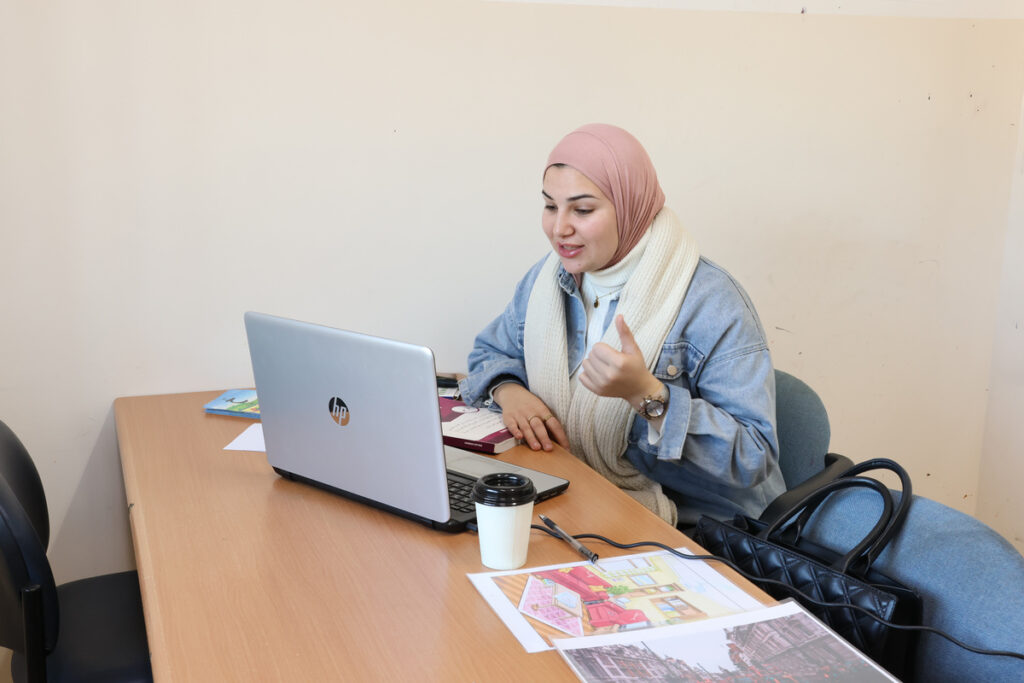
Our online Arabic courses are an excellent way to introduce children to an authentic Arabic language, culture, and media from the comfort of home. Specially designed for children, the course includes age-appropriate picture books, articles, and digital media in a virtual format. If you want to introduce your child to the Arabic-speaking world, enroll them in our Arabic Online Program to begin their language journey!
Palestinian, Jordanian, Syrian, or Lebanese: Going Deeper at the Intermediate Level
At this stage, many learners decide whether to keep a broad Levantine base or specialize in one variety. Both approaches work well.
Specializing makes sense if you live in one country or mostly talk with people from one place. Your tutor then focuses on that variety’s pronunciation, favorite expressions, and typical vocabulary:
- Palestinian Arabic: noticeable differences between city and village speech
- Jordanian Arabic: the practical speech of Amman, with rural and Bedouin touches in some areas
- Syrian Arabic: the polished Damascus style familiar from TV drama
- Lebanese Arabic: quick and expressive, with French and English words woven in
A broad Levantine approach suits learners who travel across the region or meet speakers from several countries. Either way, you will understand Shami speakers from all four countries.
What Will You Learn at the Intermediate Level?
Your lessons follow your goals, but most intermediate learners work on:
- Talking about the past, present, and future with confidence
- Describing people, places, and events in detail
- Giving opinions, agreeing, and politely disagreeing
- Asking follow-up questions and keeping a conversation going
- Common idioms and everyday Levantine expressions
- Verb patterns, conditional sentences, and linking words
- Natural pronunciation, stress, and intonation
- Following conversations between native speakers
- Work, study, and professional topics
- Health, appointments, and practical errands
- Social life, invitations, and hospitality customs
- Culture, humor, and current topics in the Levant
Each lesson weaves these themes into real conversation, so new language becomes active quickly.
Strengthen Your Arabic with a Certified Native Tutor
Intermediate lessons are taught by experienced native Levantine Arabic tutors with teaching certification. They know the typical intermediate plateau well, and they know how to guide learners past it.
With your tutor, you can expect:
- Conversations that grow longer and more challenging each week
- Lessons held mostly in Arabic, with English only when it truly helps
- Correction that targets the errors you repeat most often
- New vocabulary chosen around your interests and needs
- Insight into Levantine culture, humor, and social customs
- Regular feedback on how your speaking is developing
Your tutor also pays attention to rhythm and intonation, which often make the difference between a learner who sounds careful and one who sounds natural.
Why Choose a Certified Tutor to Move Past the Intermediate Level?
Intermediate learners rarely need more vocabulary lists. They need someone who can hear what is holding their Arabic back and help them fix it. That is where a certified tutor earns their place.
- Your tutor spots the structures you avoid and builds conversations that make you use them
- Lessons skip what you have already mastered, so no time goes to review you do not need
- Feedback arrives in the moment, while the sentence is still fresh in your mind
- You hear authentic Shami at a natural pace, not slowed-down classroom speech
- PDF notes after each topic help you turn new expressions into habits
- You can scale up to 20 hours a week whenever you want faster progress
- University credit is available if your Arabic is part of a degree program
- A certificate of completion from the Excellence Center in Syria confirms your progress
The result is steady, noticeable growth in how easily you speak and understand.
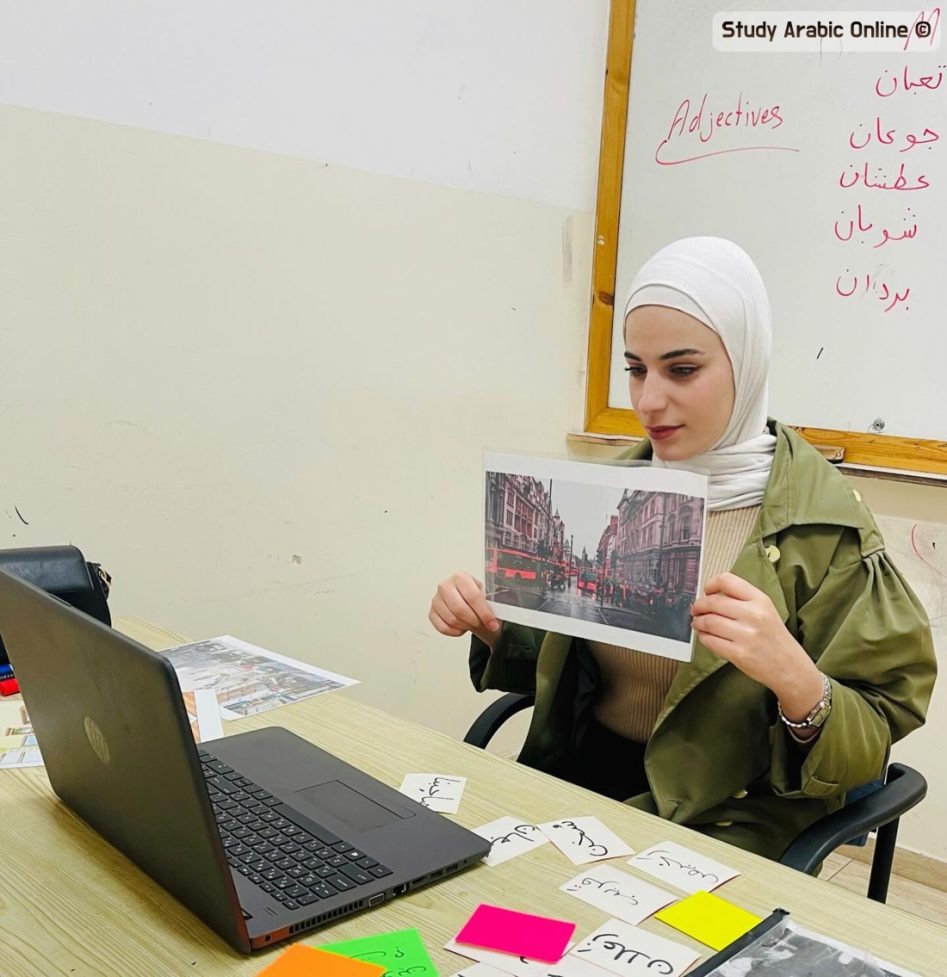
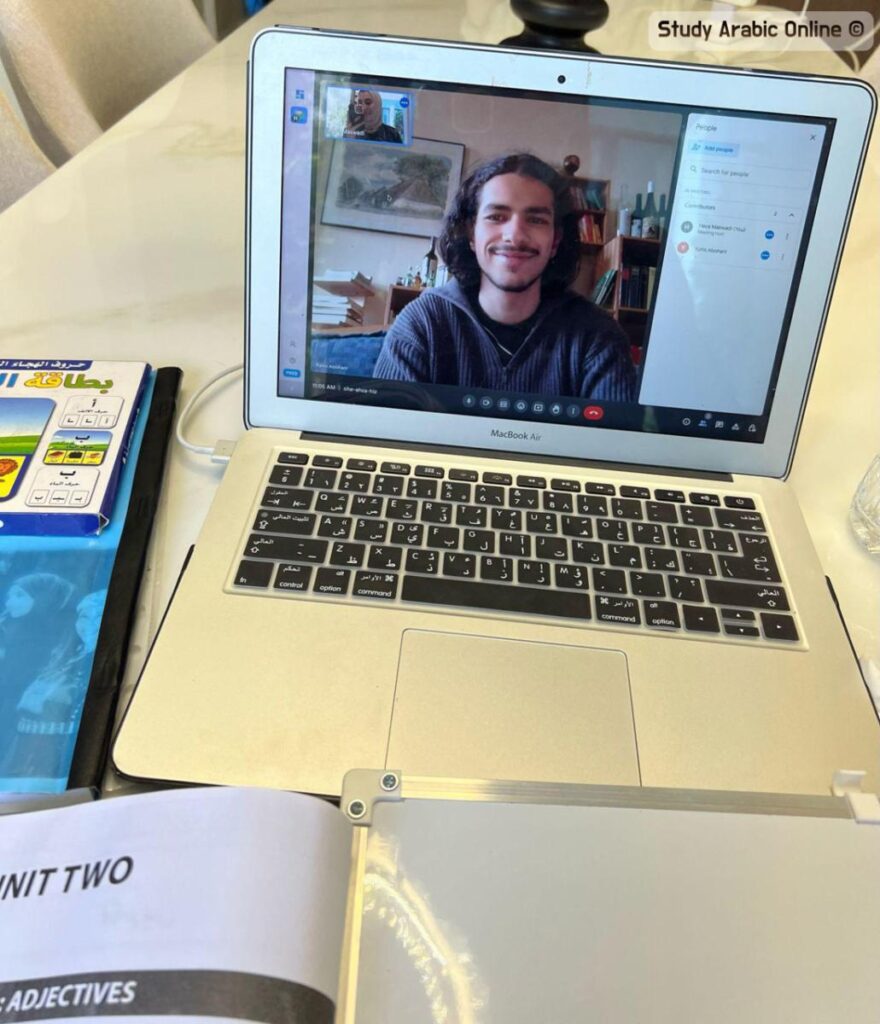
How Your Intermediate Lessons Work
1. Book a Free Trial Lesson
Complete a short form and choose a time. In the trial, your tutor checks your level, you try a real intermediate lesson, and you talk about the variety and topics you want to focus on.
2. Choose Your Hours
Decide how many hours you want in total and how often you would like to meet. A few lessons a week keep you moving steadily, while a more intensive plan brings faster results.
3. Speak Every Session
Your tutor builds a plan around your goals, and each 45-minute lesson combines conversation, new expressions, and targeted correction.
4. Use Arabic Outside Lessons
Watch a short Levantine clip, send a voice message in Arabic, or chat with a native speaker whenever you can. Real use between lessons makes every session count for more.
Reviews and Community Awards
The Excellence Center in Syria has been honored with several prestigious Community Awards and recognized as the Best Language School and Top Volunteer and Internship Program Provider for 2019, 2021, 2022, 2023, 2024, and 2025. For more details, please visit our profiles on GoOverseas.com and GoAbroad.com.


- +1000 reviews (96%) on gooverseas.com
- +190 reviews (96%) on goabroad.com
- Participants’ video testimonials
- Our Awards
Take Your Shami Arabic Further Today
The intermediate stage is where Arabic starts to feel like a language you live in rather than one you study. Longer conversations, quicker responses, and expressions that sound like a local all come from regular practice with someone who speaks Shami every day.
At the Excellence Center in Syria, your intermediate lessons are private, flexible, and focused on your goals. You choose the variety, the topics, and the schedule, and your certified tutor makes sure every session moves you forward. When conversations start to feel easy, you can step up to our advanced Levantine Arabic lessons.
Ready to break through the plateau? Book your free trial lesson, meet your tutor, and start speaking Shami Arabic with real confidence.
Contact Us
If you have any questions, please feel free to contact us at:
Instagram: https://www.instagram.com/excellence.center
Facebook page: https://www.facebook.com/ExcellenceCenter
